How locksmiths help prevent unauthorized access guide, Home door lock style, House security
How Locksmiths Help Prevent Unauthorized Access?
1 January 2026
Unauthorized access remains a persistent concern for homes, offices, and shared spaces where valuable assets and personal safety intersect. Locksmiths play a practical role in reducing these risks by strengthening entry points, correcting hidden weaknesses, and adapting security to changing lifestyles.
Their work extends beyond opening locked doors, focusing instead on prevention, reliability, and long-term control over who can enter a property. By understanding how entry is gained and how breaches occur, locksmiths help property owners regain confidence in their environments. This foundation sets the stage for consistently effective, everyday methods to deter intrusion before it happens.
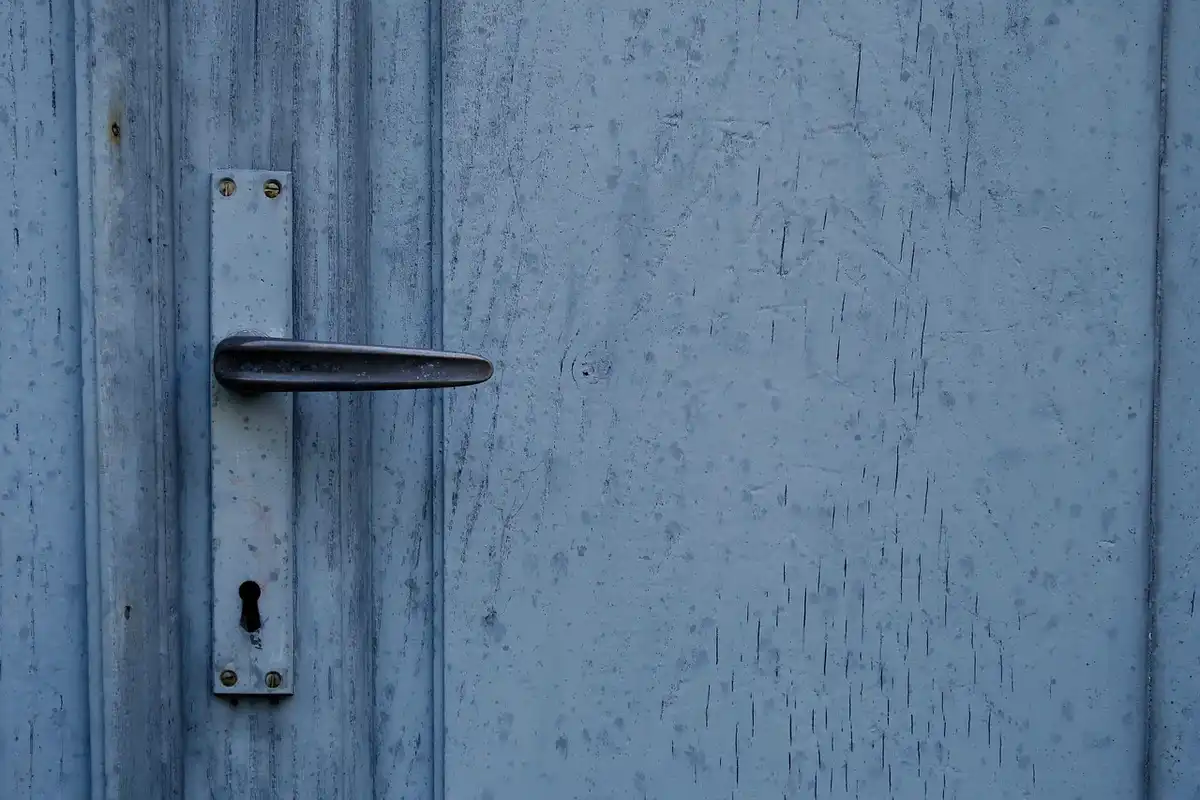
Preventive Roles Across Modern Properties
- Assessing Vulnerabilities at Entry Points
Preventing unauthorized access begins with identifying where intrusion is most likely to occur, and locksmiths approach this task with methodical observation rather than guesswork. Doors, windows, garages, and secondary entrances are evaluated for wear, alignment, and outdated components that may compromise resistance. A misaligned strike plate or weakened frame can reduce a lock’s effectiveness regardless of its design. Locksmiths also consider human habits, such as propped doors or shared keys, that quietly undermine security.
By addressing both physical flaws and usage patterns, they reduce opportunities for forced or unnoticed entry. This evaluation phase often reveals issues that property owners overlook, such as aging hardware or installation errors, enabling corrective measures before incidents occur. Such early interventions save time and reduce costs later while establishing a baseline that supports stronger upgrades and clearer access-control decisions across residential, commercial, and mixed-use settings with varied traffic patterns and operational demands, across different ownership structures and contexts.
- Upgrading Locks and Credential Control
After weaknesses are identified, locksmiths help prevent unauthorized access by recommending and installing lock systems that match the property’s risk profile. Mechanical locks can be reinforced with upgraded cylinders, while electronic options offer credential management that can be updated without replacing hardware. Access cards, codes, or mobile credentials allow entry permissions to be adjusted as occupants change, reducing reliance on copied keys.
In dense urban environments, coordinated solutions from a locksmith service in London often address both private units and shared entrances with consistent standards. Proper installation is critical; even advanced locks can fail when improperly fitted.
By aligning technology with correct setup and clear user guidance, locksmiths help maintain control over entry without disrupting daily routines. This balance supports security continuity during tenant turnover, staff changes, renovations, and evolving regulatory expectations, while preserving usability for authorized users across diverse operational schedules in multi-occupancy buildings and managed properties.
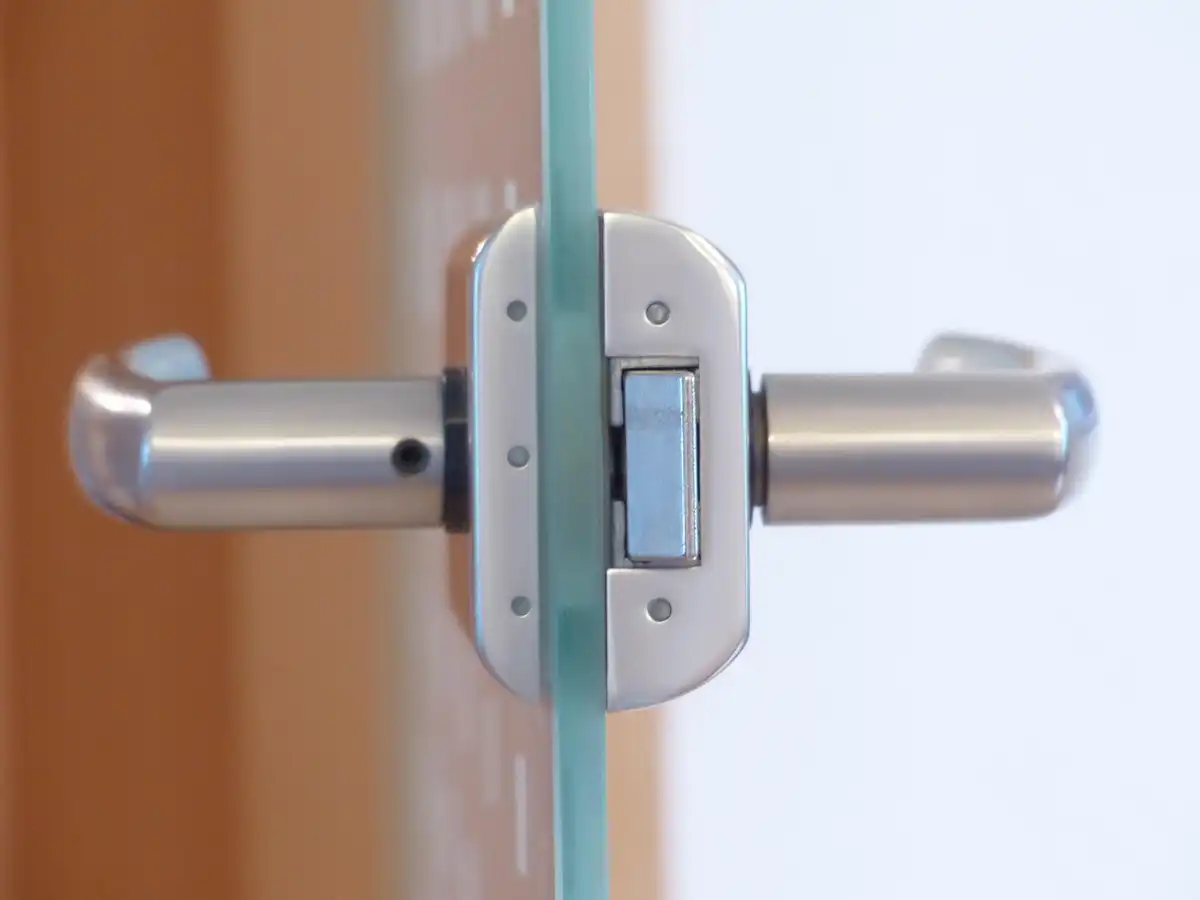
- Maintenance, Rekeying, and Ongoing Control
Prevention does not end after installation, and locksmiths contribute by maintaining locks so they continue to resist manipulation and wear. Regular servicing addresses debris buildup, internal fatigue, and environmental exposure that gradually reduce performance. Rekeying is another preventive measure that restores control after keys are lost, employees leave, or access needs change, without replacing entire locksets. This process limits unauthorized entry by rendering old keys useless. Locksmiths also advise on schedules and records that track who holds access, reinforcing accountability.
Through maintenance and periodic adjustments, security remains aligned with real-world use rather than outdated assumptions. They may recommend lubrication intervals, component replacement, or environmental shielding to extend lifespan while preserving consistent locking behavior. Such practices reduce emergency failures, support compliance needs, and maintain robust barriers against accidental or deliberate intrusion attempts across properties that experience frequent access changes and varying occupancy levels throughout seasonal cycles and operational transitions over long periods.
- Supporting Policies and Emergency Preparedness
Beyond hardware, locksmiths help prevent unauthorized access by supporting clear policies and preparedness that complement physical measures. They coordinate with property managers to define access hierarchies, emergency overrides, and response plans when breaches are suspected. Emergency lockout strategies can secure premises quickly without causing damage, reducing chaos during incidents.
Locksmiths also help align locking systems with fire safety and egress requirements, ensuring security does not hinder safe evacuation. By integrating procedures with installed systems, they create consistency that reduces risky improvisation. This broader support transforms locks from isolated devices into part of an organized access strategy. Training and documentation further reinforce expectations, helping occupants understand responsibilities while minimizing accidental exposure or misuse. Such coordination strengthens resilience during audits, renovations, emergencies, and daily operations across diverse organizational contexts, without relying on ad hoc decisions that can compromise security under the pressure and time constraints common in real-world environments and busy facilities worldwide.
- Long-Term Confidence Through Preventive Security
Locksmiths help prevent unauthorized access through a combination of assessment, installation, maintenance, and coordination tailored to real-world conditions. Their involvement strengthens entry points while supporting policies that keep control current as people and spaces change. Rather than reacting after incidents, this preventive approach reduces risk quietly and consistently.
When locks, procedures, and preparedness align, properties gain durable protection without sacrificing usability. This steady, practical support helps owners and occupants maintain confidence that access remains intentional, accountable, and resilient over time, across residential and commercial settings, as security expectations evolve and ongoing operational demands increase for modern properties worldwide.
Comments on this guide to How locksmiths help prevent unauthorized access article are welcome.
Building Tours
European Architecture Tours – architectural selection below:
British Architectural Walking Tours
Danish Architecture Walking Tours
Dutch Architectural Walking Tours
Comments / photos for the How locksmiths help prevent unauthorized access advice page welcome.