What It Takes to Keep a Great Building Open
10 July 2026
Every visitor attraction has two versions of itself. There is the one on the tour route, all vaulted ceilings, glasshouses and grand staircases. And there is the one behind the door marked private: the plant room, the boiler flues, the pipework threaded through voids that were never meant to carry it.
Britain’s most-visited buildings are, almost without exception, its most difficult to heat. A cathedral nave holds an enormous volume of air and almost none of its warmth. A Victorian palm house exists specifically to lose heat through glass. A medieval hall cannot be insulated without losing the very fabric people come to see. Historic England publishes extensive guidance on improving energy performance in historic buildings, but the honest starting point is that these places will always demand more heat than anything built this century.
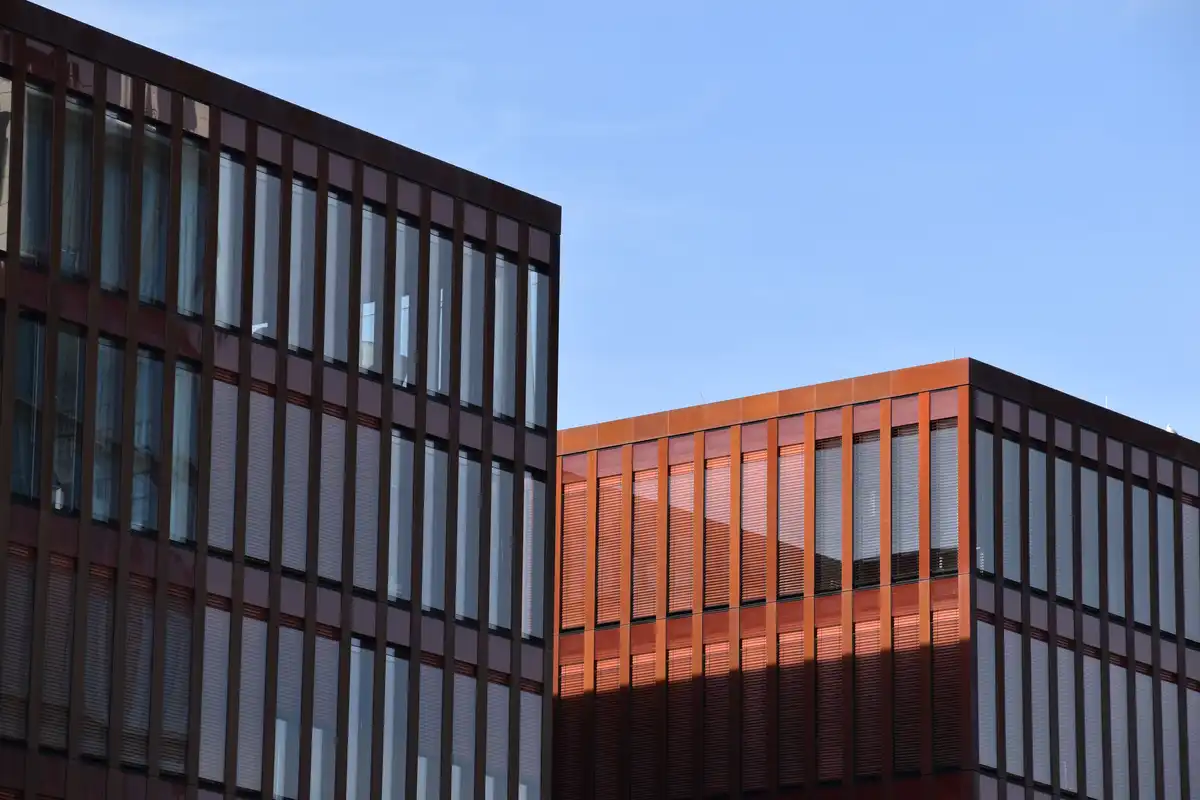
Energy is typically the second-largest cost these organisations carry after people, and business gas usually dominates it. For the trusts and estates that operate heritage sites, many supported by the National Lottery Heritage Fund and working within the policy framework set by DCMS, every pound spent in the plant room is a pound not spent on conservation. Demand at these sites swings hard with the seasons and with visitor numbers, which makes them unusual loads in the eyes of energy suppliers. Unusual loads get priced inconsistently, and that inconsistency is an opportunity: the gap between the best and worst offer for the same heritage site can be substantial, if anyone actually gathers the offers.
Increasingly, someone does. Estates and venue operators have taken to tendering their supply properly at each renewal, and the numbers explain why: broker Purely Energy puts the typical saving from a whole-of-market tender at 15 to 30 per cent, secured without so much as a listed building consent application.
It will never appear on the tour. But the economics of the plant room are part of what keeps the front door open.
Frequently asked questions
Why are heritage buildings so expensive to heat?
Large internal volumes, minimal insulation and construction methods that predate any concept of thermal performance mean heat escapes quickly and constantly. Conservation rules also prevent most of the modern fixes, so operators manage the loss rather than eliminate it.
How can a visitor attraction cut energy costs without altering the building?
The two levers that need no consent are operational and contractual: zoning and scheduling heat around opening hours and visitor flow, and tendering the energy supply across the market at each renewal rather than accepting the incumbent’s offer. Both can deliver meaningful savings with no physical intervention.
What is a seasonal demand profile and why does it affect price?
It describes how a site’s consumption is distributed across the year. Heritage attractions typically use most of their gas in a few winter months, which suppliers price differently from a flat year-round load. Because each supplier treats that risk differently, quotes for the same site vary widely, and comparing them is where the saving sits.
Sources
Historic England: https://historicengland.org.uk
National Lottery Heritage Fund: https://www.heritagefund.org.uk
Department for Culture, Media and Sport: https://www.gov.uk/government/organisations/department-for-culture-media-and-sport
Comments on this guide to What it takes to keep a great building open article are welcome.
Building Tours
European Architecture Tours – architectural selection below:
British Architectural Walking Tours
Danish Architecture Walking Tours
Dutch Architectural Walking Tours
How locksmiths help prevent unauthorized access at home

Comments / photos for the What it takes to keep a great building open advice page welcome.