How To Protect Architectural Models When Moving Them Between Locations
2 October 2026
Creating architectural models can be a lot of work. It might take days or even weeks. It also features fragile components like walls, windows, landscaping, furniture, and lights.
So, when moving it from a studio to a client meeting, exhibition, or another office space, it has to be protected. Read on to find out how.
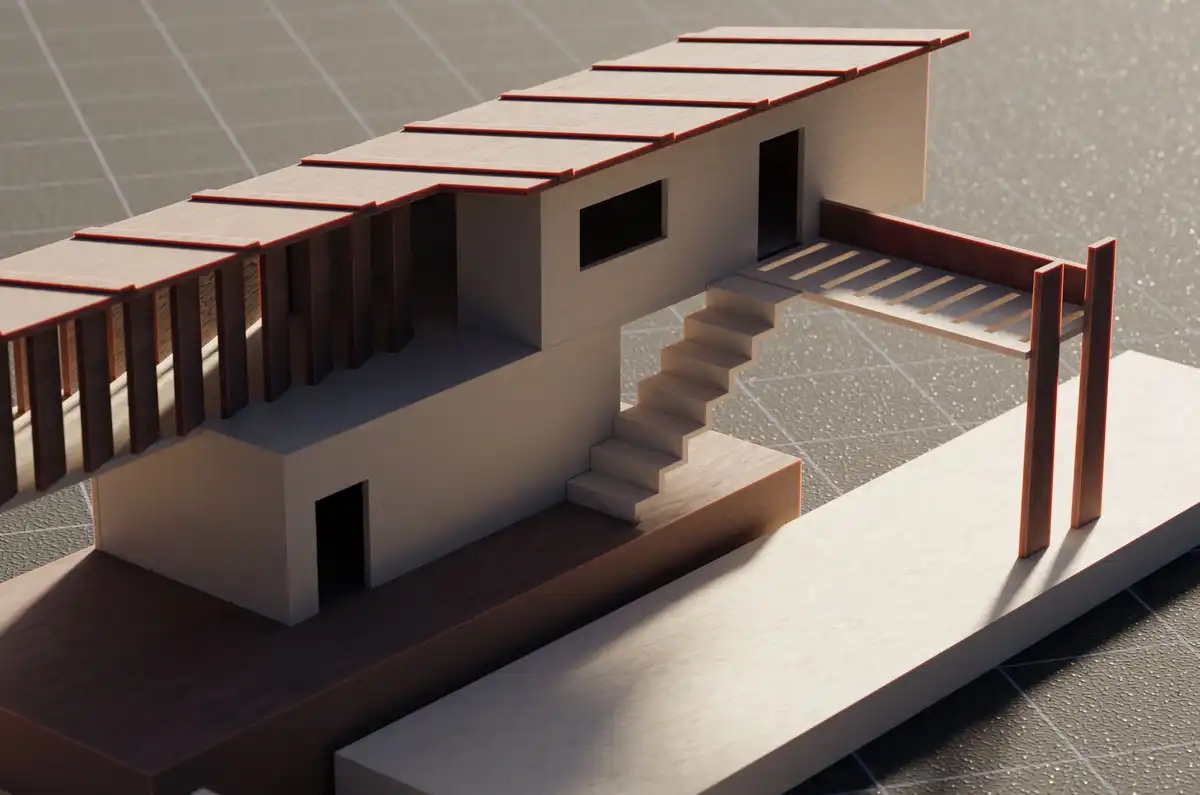
Assess the model before packing
First, carefully inspect the model. Check parts that might break, become detached, bend, or fall off during movement. Take note of small features such as:
- Thin structures
- Protruding elements
- Trees
- Tailings, etc.
If there are parts which can be removed safely, consider packing these separately. Photograph the items before you take them apart in order to refer to them when you are reassembling the model.
Select an appropriate case
The container must be sufficiently large so as to be able to fit the model without pushing it against the sides. But too much free space can also cause issues, as the model can shift in transit.
A harder outer shell will offer more protection. If you have a very sensitive model, choose an enclosed case.
Try to avoid any movement in the box
Movement is one of the greatest dangers during transportation. A model that oscillates from side to side may bump into the walls of its container or exert force on the delicate parts of it.
This is where custom foam inserts come in handy. They can be molded around the model or its parts to help keep it in place within the container. Fitted protection is useful for protecting irregular shapes and fragile projections. It protects the model against excessive pressure.
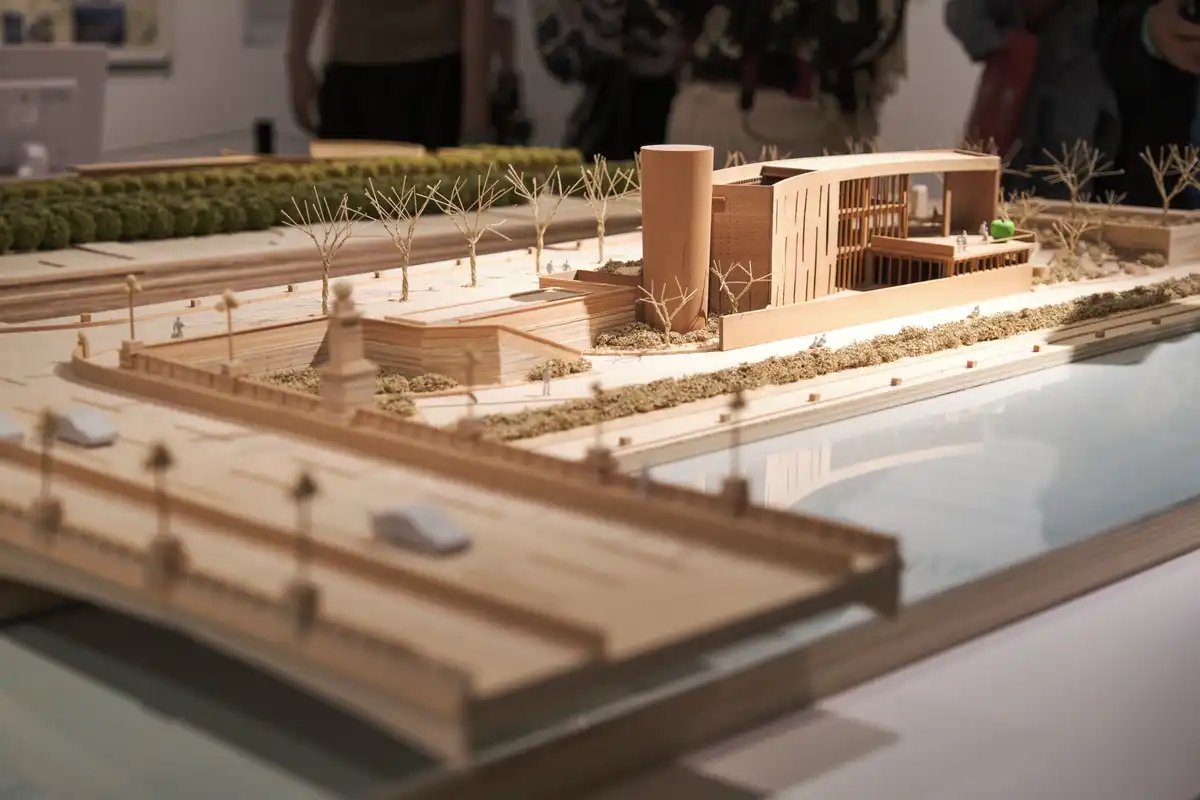
Protect fragile details
Not all components require the same level of protection in a model. A solid base will resist normal handling. But miniature balconies, columns, glazing, or landscaping might require extra support.
Cover fragile parts with protective material. But they should not be directly pressed against delicate features. If there are transparent parts, textured surfaces, or painted details in the model, ensure that the protectant will not damage them.
Labeling and handling requirements
If there are sections that can be removed from the model, label the sections and separate related pieces. A simple drawing or picture may also make assembly easier at the destination.
The container should be clearly labeled on the outside with which way is up, whether it can be tipped, and whether the contents require careful handling. Although no label can guarantee the complete prevention of any accident, it does help give information to anyone handling the package during transit.
Consider the journey
The right packing technique also relies on the distance the model is being shipped and how it will be sent. An office-to-office move is different from a city-to-city one or a move to an exhibition.
For longer journeys, consider:
- Potential vibration
- Repeated handling
- Temperature changes
- Storage between transport stages.
The model should be secure for the whole trip.

Summing up
An architectural model can be transported considerably more easily with careful planning. You can lessen the chance of damage occurring before the model reaches its destination by using a protective case and safeguarding delicate details.
Comments on this guide to How to protect architectural models when moving article are welcome.
Building Tours
European Architecture Tours – architectural selection below:
British Architectural Walking Tours
Danish Architecture Walking Tours
Dutch Architectural Walking Tours
How locksmiths help prevent unauthorized access at home
Comments / photos for the How to protect architectural models when moving advice page welcome.